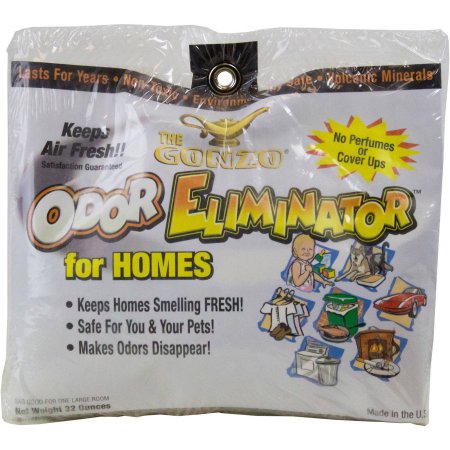
Too many people do not realize (or just don't think about) that commercial air fresheners are full of toxic chemicals. When you use these in your home, you are literally spreading a myriad of toxic chemicals into the air you and your pets breathe.
Whether an aerosol, solid, or plug-in, these air “fresheners” release volatile organic compounds (VOCs) into the air. Aerosols disperse the chemicals as a fine mist. Once in the air the tiny particles may be inhaled and are able to penetrate deep into the lungs. VOCs, such as limonene and pinene are released from solid air fresheners and plug-ins. Studies show these chemicals, released in a gaseous state, mix with ground level ozone to create ultra-fine particulate matter, as well as formaldehyde, a known carcinogen.
 Some of the most offensive VOCs like benzene and formaldehyde can cause headaches and nausea and aggravate asthma, and have been linked to neurological damage and cancer.
In a 2010 University of Washington study, they found "that eight unnamed, widely used U.S. air fresheners released an average of 18 chemicals into the air. On average, one in five of these chemicals were hazardous substances highlighted in federal and some state pollution standards. Fully half the air fresheners tested released acetaldehyde, a likely human carcinogen according to the EPA."
When Environmental Working Group (EWG.org) conducted more sensitive testing of the air freshener Febreze Air Effects as part of a 2009 study of cleaning supplies used in California schools, they detected a total of 89 airborne contaminants, including acetaldehyde.
EWG also did the first study of its kind in 2008 testing companion animals for chemicals. In their report Polluted Pets, they concluded "The body burden testing conducted in this investigation is the most expansive ever published for companion animals. The study indicates that cats and dogs are exposed to complex mixtures of industrial chemicals, often at levels far in excess of those found in people. Our pets well may be serving as sentinels for our own health, as they breathe in, ingest or absorb the same chemicals that are in our environments. Exposures that pose risks for pets pose risks for human health as well. A new system of public health protections that required companies to prove chemicals are safe before they are sold would help protect all of us, including the pets we love." You can read the full report here.
Research from the National Institute of Environmental Health Sciences suggests that the
"fresh" smell of many air fresheners is a result of the ingredient 1,4 dichlorobenzene (1,4 DCB) which has been found to impair lung function.
Ingredients commonly used in fragrances in air fresheners include phthalates.Toxic phthalates found in air fresheners:
• Di-ethyl Phthalate (DEP): Associated with changes in hormone levels and genital development in humans.
• Di-n-butyl Phthalate (DBP): Recognized as a reproductive toxicant by the National Toxicology Program and the State of California. It can lead to changes in genital development.
• Di-isobutyl Phthalate (DIBP): Associated with changes in male genital development.
• Di-methyl Phthalate (DMP): Inconclusive evidence has shown reproductive toxicity in animal studies.
• Di-isohexyl Phthalate (DIHP): Limited toxicity testing has shown that DIHP is probably a developmental and reproductive toxicant.
🕱🕱🕱🕱🕱🕱🕱🕱🕱🕱🕱🕱🕱🕱🕱🕱🕱🕱🕱🕱🕱🕱🕱🕱🕱🕱🕱🕱🕱🕱🕱🕱🕱🕱🕱🕱🕱🕱🕱🕱🕱🕱🕱🕱🕱🕱🕱🕱🕱🕱🕱🕱🕱🕱🕱🕱🕱
Fragrance: Diethyl phthalate (DEP) is often used as part of the "fragrance" in some products. Since DEP won't be listed separately, you're better off choosing personal care products, detergents, and cleansers that don't have the word "fragrance" on the ingredients list.
🕱🕱🕱🕱🕱🕱🕱🕱🕱🕱🕱🕱🕱🕱🕱🕱🕱🕱🕱🕱🕱🕱🕱🕱🕱🕱🕱🕱🕱🕱🕱🕱🕱🕱🕱🕱🕱🕱🕱🕱🕱🕱🕱🕱🕱🕱🕱🕱🕱🕱🕱🕱🕱🕱🕱🕱🕱🕱🕱
According to National Geographic’s The Green Guide, many air fresheners contain nerve-deadening chemicals that coat your nasal passages and temporarily block your sense of smell. So just imagine what happens when they are used continuously. I have noticed this about some people...they don't smell things like I do. Some people seem to have no sense of smell left at all.
Case in point: I had a client -- a retired couple, who just had one pet, a Bichon Frise. Their dog was kept in the den and utility room area, which was tiled. The dog had been diagnosed with epilepsy some years ago and was on several medications which kept her pretty doped up. Sometimes she had accidents on the floor. To my horror, I discovered they had 8 to 10 automatic spray air fresheners in the house, mostly in the dog's room and adjoining rooms. They would spray me as I walked past. One was sitting right above the dog's bowls so that when it sprayed, it went directly in her food and water. For this and other reasons I got permission to keep this dog at my house whenever they were out of town, which I normally don't do. The smell of air fresheners was so strong in the house it was unbearable. It obviously didn't even bother them. (Imagine the amount of chemicals they are all breathing!)
And once, when I was returning their dog home, I managed to show up right after their housekeeper had left. Just getting out of my car, I was standing in the driveway, a few feet away from the door, and I could smell Pine-Sol (another poison) so strong, it was knocking me out and I haven't even opened the door yet! I had to wear a mask to go inside and open up another door to let some fresh air in. This was in addition to the air fresheners! The indoor air my clients thought nothing of breathing, (or of their dog breathing) was enough to make me sick. They obviously had little to no sense of smell left and no wonder why! And is it any wonder their dog suffered from epilepsy? OMG. Even after I left them a note along with articles explaining what the air fresheners consist of and are doing to their dog and to them (and how it knocked me out), the next time I went back I noticed they had cut the air fresheners down to half of what they had.They just didn't get it.
My sense of smell is very sensitive. I don't use commercial air fresheners, dryer sheets or products that contain the ingredient "fragrance". I read the ingredients of all products I buy. I use "green" and natural products including essential oils. I also use unscented cat litters and my own litter box deodorizer made with baking soda and a blend of essential oils which I offer here. Being a highly sensitive person, these and other smells are overwhelming to me and affect me physically. Even too many strong smelling candles can be too much for me. And just because someone else may not be as sensitive, it doesn't mean it's harming them any less.
And considering that our pets' sense of smell is thousands of times stronger than ours, with dogs having 125 to 300 million smell receptors, cats having 45 to 80 million, compared to humans, who have 5 million, they are affected even more so. Not to mention our pets can be at nose level to plug-ins and they are always close to the ground where everything settles. Add the "fragrance" in scented cat litters and commercial litter box deodorizers to the air fresheners and cleaning products and you've got an enormous toxic soup for indoor air, which isn't healthy for animals (who come from nature where all these things don't exist!) or us humans.
The chemicals emitted from air fresheners (and other toxic products) accumulate in the fatty tissues over time, so the danger increases as they build up inside a body.
In addition to using things like baking soda, vinegar, green products and products made with essential oils like my litter box deodorizer and the air freshener available on my shop page, another natural and safe deodorizer, Zeolite, is a mineral that absorbs odor even more efficiently than baking soda. Use powder form (such as Odorzout) as you would baking soda. Zeolite pebbles or stones (photo below) can be placed in problems areas and recharged in sunlight. They are available at various online stores as well as places like Walmart and Home Depot.
 |
| Zeolite |
References:
Ecocenter.org
EWG.org
Scientificamerican.com
Healthwyze.org
Toxipedia.org
HSPerson.com