Have you ever wondered why raisins or grapes are toxic to dogs?
Do you eat raisins or grapes? Do you drink wine?
If you answered yes to any of these questions, you'll want to check out this very informative 14 minute video interview with well known veterinarian Karen Becker and Melissa Gardner, who has a very interesting background.
For a deeper look into fluoride check out the film Fluoride: Poison on Tap. Available on YouTube. You'll be amazed at what you'll discover.
A special note of caution about Fluoride: Poison on Tap: This is a great film but one of the doctors in the film suggests that the healthiest water is distilled water with some organic apple cider vinegar added for minerals, so as to avoid fluoride -- I have to jump in and say this: This is not a good idea! And please never give distilled water to your pets! There is a better way! A healthier way!
Distilled water has had not only all the chemicals removed but all the minerals too. For water to be balanced (healthy/beneficial), it has to have minerals. Distilled water is known as "dead" water. It has no life force energy. Drinking distilled water may be sometimes used for short periods for detoxification purposes but drinking it on a regular basis can deplete the body of minerals.
And drinking apple cider vinegar, even when diluted in a glass of water, can make your teeth sensitive. I have sensitive teeth to begin with and can't drink ACV for this reason.
Another thing about distilled water is it can't penetrate your cells and properly hydrate you due to it's surface tension, as I talk about in more detail in my book Structured Water: Nature's Gift. However, structured water is water that is energetically alive, has a lower surface tension, and it is able to penetrate on a cellular level to hydrate you like never before.
It's not what brand or kind of filters the water has that you drink, but whether it's structured or not that matters. Structured water is the healthiest way to go. Keep your brand and filters if you want, but structure it!
.
Showing posts with label Toxins. Show all posts
Showing posts with label Toxins. Show all posts
Wednesday, September 26, 2018

Wednesday, August 15, 2018
Fluoride and Pets

Fluoride in the water (and other products) is a problem for people and for pets. Fluoride is a toxic poison which should have never been added to the water supply or other products.
The good news is that structuring your water and your pets' water can protect you and them from not only the fluoride in water, but other toxins as well.
Whether it's tap or bottled water (which also contains fluoride), structuring it with a structuring unit protects you from fluoride as well as any other toxin in the water by changing the molecular structure of it. Once structured, any toxins pass right through you (or your pet) and come out your elimination system or sweat, causing no harm to you. If you have a whole house unit or a unit for the shower you can also be showering in healthy structured water and avoid absorbing fluoride, chlorine and other chemicals through your skin.
Animals definitely prefer drinking and bathing in structured water over "regular" water. So do people once they experience it. As a professional pet sitter I have been in the unique position to have been able to observe this for over five years now. You can read pet lover testimonials by going here.
But before you do, a special note of caution: although one of the doctors in the film suggests that the healthiest water is distilled water with some organic apple cider vinegar added for minerals, so as to avoid fluoride, I have to jump in and say this: This is not a good idea! There is a better way! A healthier way! And please never give distilled water to your pets!
Distilled water has had not only all the chemicals removed but all the minerals too. For water to be balanced, it has to have minerals. Distilled water is known as "dead" water. Drinking distilled water may be sometimes used for short periods for detoxification purposes but drinking it on a regular basis can deplete the body of minerals.
Not to mention drinking apple cider vinegar can make your teeth sensitive. It does mine.
Another thing about distilled water is it can't penetrate your cells and properly hydrate you due to it's surface tension, as I talk about in more detail in my book Structured Water: Nature's Gift. However, structured water is water that is energetically alive, has a lower surface tension, and it is able to penetrate on a cellular level to hydrate you like never before.
It's not what brand or kind of filters the water has that you drink, but whether it's structured or not that matters. Structured water is the healthiest way to go. Keep your brand and filters if you want, but structure it!
Check out the film Fluoride: Poison on Tap available on YouTube.
Thursday, August 10, 2017
Air Fresheners

Whether an aerosol, solid, or plug-in, these air “fresheners” release volatile organic compounds (VOCs) into the air. Aerosols disperse the chemicals as a fine mist. Once in the air the tiny particles may be inhaled and are able to penetrate deep into the lungs. VOCs, such as limonene and pinene are released from solid air fresheners and plug-ins. Studies show these chemicals, released in a gaseous state, mix with ground level ozone to create ultra-fine particulate matter, as well as formaldehyde, a known carcinogen.
 Some of the most offensive VOCs like benzene and formaldehyde can cause headaches and nausea and aggravate asthma, and have been linked to neurological damage and cancer.
In a 2010 University of Washington study, they found "that eight unnamed, widely used U.S. air fresheners released an average of 18 chemicals into the air. On average, one in five of these chemicals were hazardous substances highlighted in federal and some state pollution standards. Fully half the air fresheners tested released acetaldehyde, a likely human carcinogen according to the EPA."
When Environmental Working Group (EWG.org) conducted more sensitive testing of the air freshener Febreze Air Effects as part of a 2009 study of cleaning supplies used in California schools, they detected a total of 89 airborne contaminants, including acetaldehyde.
EWG also did the first study of its kind in 2008 testing companion animals for chemicals. In their report Polluted Pets, they concluded "The body burden testing conducted in this investigation is the most expansive ever published for companion animals. The study indicates that cats and dogs are exposed to complex mixtures of industrial chemicals, often at levels far in excess of those found in people. Our pets well may be serving as sentinels for our own health, as they breathe in, ingest or absorb the same chemicals that are in our environments. Exposures that pose risks for pets pose risks for human health as well. A new system of public health protections that required companies to prove chemicals are safe before they are sold would help protect all of us, including the pets we love." You can read the full report here.
Research from the National Institute of Environmental Health Sciences suggests that the

Ingredients commonly used in fragrances in air fresheners include phthalates.Toxic phthalates found in air fresheners:
• Di-ethyl Phthalate (DEP): Associated with changes in hormone levels and genital development in humans.
• Di-n-butyl Phthalate (DBP): Recognized as a reproductive toxicant by the National Toxicology Program and the State of California. It can lead to changes in genital development.
• Di-isobutyl Phthalate (DIBP): Associated with changes in male genital development.
• Di-methyl Phthalate (DMP): Inconclusive evidence has shown reproductive toxicity in animal studies.
• Di-isohexyl Phthalate (DIHP): Limited toxicity testing has shown that DIHP is probably a developmental and reproductive toxicant.
🕱🕱🕱🕱🕱🕱🕱🕱🕱🕱🕱🕱🕱🕱🕱🕱🕱🕱🕱🕱🕱🕱🕱🕱🕱🕱🕱🕱🕱🕱🕱🕱🕱🕱🕱🕱🕱🕱🕱🕱🕱🕱🕱🕱🕱🕱🕱🕱🕱🕱🕱🕱🕱🕱🕱🕱🕱
Fragrance: Diethyl phthalate (DEP) is often used as part of the "fragrance" in some products. Since DEP won't be listed separately, you're better off choosing personal care products, detergents, and cleansers that don't have the word "fragrance" on the ingredients list.
🕱🕱🕱🕱🕱🕱🕱🕱🕱🕱🕱🕱🕱🕱🕱🕱🕱🕱🕱🕱🕱🕱🕱🕱🕱🕱🕱🕱🕱🕱🕱🕱🕱🕱🕱🕱🕱🕱🕱🕱🕱🕱🕱🕱🕱🕱🕱🕱🕱🕱🕱🕱🕱🕱🕱🕱🕱🕱🕱
According to National Geographic’s The Green Guide, many air fresheners contain nerve-deadening chemicals that coat your nasal passages and temporarily block your sense of smell. So just imagine what happens when they are used continuously. I have noticed this about some people...they don't smell things like I do. Some people seem to have no sense of smell left at all.
Case in point: I had a client -- a retired couple, who just had one pet, a Bichon Frise. Their dog was kept in the den and utility room area, which was tiled. The dog had been diagnosed with epilepsy some years ago and was on several medications which kept her pretty doped up. Sometimes she had accidents on the floor. To my horror, I discovered they had 8 to 10 automatic spray air fresheners in the house, mostly in the dog's room and adjoining rooms. They would spray me as I walked past. One was sitting right above the dog's bowls so that when it sprayed, it went directly in her food and water. For this and other reasons I got permission to keep this dog at my house whenever they were out of town, which I normally don't do. The smell of air fresheners was so strong in the house it was unbearable. It obviously didn't even bother them. (Imagine the amount of chemicals they are all breathing!)
And once, when I was returning their dog home, I managed to show up right after their housekeeper had left. Just getting out of my car, I was standing in the driveway, a few feet away from the door, and I could smell Pine-Sol (another poison) so strong, it was knocking me out and I haven't even opened the door yet! I had to wear a mask to go inside and open up another door to let some fresh air in. This was in addition to the air fresheners! The indoor air my clients thought nothing of breathing, (or of their dog breathing) was enough to make me sick. They obviously had little to no sense of smell left and no wonder why! And is it any wonder their dog suffered from epilepsy? OMG. Even after I left them a note along with articles explaining what the air fresheners consist of and are doing to their dog and to them (and how it knocked me out), the next time I went back I noticed they had cut the air fresheners down to half of what they had.They just didn't get it.
My sense of smell is very sensitive. I don't use commercial air fresheners, dryer sheets or products that contain the ingredient "fragrance". I read the ingredients of all products I buy. I use "green" and natural products including essential oils. I also use unscented cat litters and my own litter box deodorizer made with baking soda and a blend of essential oils which I offer here. Being a highly sensitive person, these and other smells are overwhelming to me and affect me physically. Even too many strong smelling candles can be too much for me. And just because someone else may not be as sensitive, it doesn't mean it's harming them any less.

The chemicals emitted from air fresheners (and other toxic products) accumulate in the fatty tissues over time, so the danger increases as they build up inside a body.
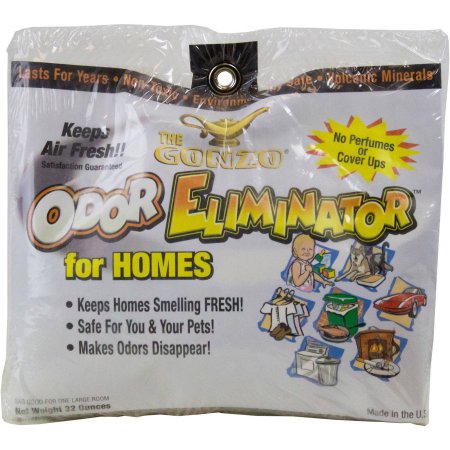 |
| Zeolite |
References:
Ecocenter.org
EWG.org
Scientificamerican.com
Healthwyze.org
Toxipedia.org
HSPerson.com
Friday, July 7, 2017
More Pet Food Testing (Again)

And we know that it has been discovered that the high heat processing that occurs in the manufacturing of dry kibble actually creates two carcinogens -- acrylamide and heterocyclic amines. These won't be listed in the ingredients of the food of course, because they are created in the process itself and are not ingredients. We know that carcinogens cause cancer.
(And I'm not even mentioning a whole host of other problems with pet food ingredients that I've written about on numerous occasions.)
Now we have a report that just came out by The Ecology Center's Healthy Stuff about the testing they have done on the different toxic chemicals in the coatings of pet can foods. (They also did a larger test on can foods for people.) And as you can imagine, it's not good.
"We know that safer substitutes for BPA and PVC are widely available,” said Lauren Olson, science campaign director with the Ecology Center. “Last year consumer pressure led to Campbell’s and Del Monte making a commitment to phasing out BPA from all their cans. We’re calling on pet food companies to follow their lead and remove these harmful chemicals from their products.”Their press release states "The Ecology Center will reach out to the major manufacturers of the canned pet food tested asking them to make a commitment to safer substitutes in their can linings." I hope they do. We need to put the consumer pressure on the pet food makers the same way. Your voice and your action is needed. Our pets are being poisoned. This is unacceptable -- whether it's the BPA or PVC in the can linings or the list of heavy metals, GMOs and other toxins (like phenobarbital) in the food itself.
There seems to be a few pet food manufacturers who are ahead of this issue and now offer or have been offering plastic tubs instead of cans. But what chemicals are in the plastic the tubs are made out of that may leach into the food? We know that different plastics leach different toxic chemicals into foods as well. (I stopped using plastic containers for food storage when I learned this.) Would the (possible) toxins from the plastic tubs of food be less toxic than the chemicals like BPA and PVC in the can linings? One can only hope so! (Until those are tested!)
It's pretty sad that we have to choose between which toxin is worse. And that we have to have everything not only tested, but we have to be sure it's tested by a laboratory that doesn't have any vested interest in the petfood business; but this is where we are. At least now there are more different types of pet food options available like frozen, refrigerated and freeze dried. Kilo still loves his homemade raw food in addition to wet foods.

Thursday, July 6, 2017
More Testing on Pet Foods

For some time now I have been warning people not to feed their pets any food or treats that contain seafoods, and for good reason -- they are loaded with heavy metals.You can read the previous articles where I wrote about pet food testing that was done back in May 2017 and Jan 2015. I also gave 9 reasons to avoid seafood cat foods in April 2016 (as if heavy metals isn't enough). But this isn't just about cat foods. This is about any pet food or treat that contains any seafood ingredient. More and more research and testing is being conducted on pet foods -- not by the pet food companies themselves of course, but by outside sources.
After reading this very disturbing but not surprising article on the subject, just released by Karen Becker, DVM, I was looking at the Clean Label Project's list of product ratings of their scientific testing on 900 pet foods and treats. I was only looking at the section on cat wet foods, but with a little investigating I discovered my suspicions were true. All of the cat wet foods that were tested and showed having less than a 5 star rating on the list (the fewer stars, the more heavy metals in them) had a fish or seafood ingredient in them. All of them. Even the ones labeled beef or chicken and duck! They either had fish in the list of ingredients, some form of seafood, or fish oil or dried kelp.
It's worth mentioning here that when I have gone to a pet supply store to buy wet cat food and read the list of ingredients on different foods, I discovered that the pet food manufacturers are putting fish or other seafood ingredients in many of the foods without mentioning it at all on the front of the label. In fact, it's very misleading. You think you are getting a "chicken" only or a "beef" only food for example, because that's what it states on the front of the can, but if you actually read the list of ingredients, you will find fish in there! And usually it's one of the first 5 ingredients. So if you don't read ingredients, you could very well be feeding your pets seafoods or fish (and therefore heavy metals) without even knowing it.

So what does this mean? Unfortunately it means that you must read the ingredients of every pet food and treat you buy. And if there is any type of fish, fish oil, dried kelp or any other form or derivative of seafood in the list of ingredients, don't buy it! DON'T BUY IT! You will be slowly poisoning your pets with heavy metals such as lead, mercury, arsenic, cadmium, and others if you feed these types of foods and treats to your beloved pets. And if you are already feeding them these foods, stop! Please. And if you give your pets any type of supplement like fish oil or dried kelp and it's not certified organic with the seal of The Non-GMO Project Verified, then you can be sure that they contain toxic heavy metals. (USDA Certified Organic has no limits when it comes to heavy metals.) A safer alternative to generic fish oil or salmon oil is (sustainably harvested) krill oil.
I'm with Dr. Becker - the safe amount of any toxin or heavy metal should be 0 ppm.
Please read this article by Dr. Becker:
Busted: 55 Times Worse Than Giving Your Pet Water From Flint, Michigan

Monday, May 1, 2017
Food Forensics

I just finished reading Food Forensics (2016) by Mike Adams, founder and Science Director of the CWC Labs, and although the book primarily has to do with the toxins that were found via laboratory testing, and how to avoid them in human food, there was testing done on some pet treats that are worth mentioning.
- High amounts of lead were found in popular pet treats made in China. A good reason to read the fine print on the back of packages to make sure it says "Made in the USA". (China has worse problems with heavy metals in the soil and foods than we do in the US, and it's pretty bad here. I warned about treats made in China back in 2012. Remember the largest pet food recall in 2007 that killed thousands of pets? Ingredients sourced from China!)
- Fish treats for cats contained large amounts of cadmium. Fish and other seafoods are known to contain toxic heavy metals. I wrote more extensively on this in 9 Reasons Why You Should Avoid Seafood Cat Foods. They also sell dog foods and treats with fish so the dangers apply to their foods and treats too (see herring strips for dogs below).
- A high level of copper was found in a sea vegetable supplement for pets. Too much copper can have detrimental health effects.
- Gourmet munchy rawhide as well as natural rawhide rings had extremely high levels of lead.
- Herring strips for dogs tested high of mercury.
- Munchy stix (for dogs) tested really high in lead.
- Freeze dried ocean whitefish cat treats were found to be high in mercury.
- Although these items were not listed under pet foods or treats per se, they can be found in some of them or sold as pet treats by themselves: an extremely high amount of arsenic was found in dried shrimp, high levels of cadmium and lead in dried whole anchovy, and also a high amount of mercury in dried shaved bonito.
Brand names are not shown for many products in the book for the simple reason that a book takes so long to publish and distribute that many products tested may have shifted in composition over that time.
Another important point to mention here is that even when buying something that is certified USDA Organic -- whether for people or pets -- know that the USDA's organic standards have no limit whatsoever on heavy metals! This is not good. That means when it comes to toxic heavy metals, even if it's labeled USDA organic, it could be loaded with them!
I highly recommend reading this very informative and eye-opening book for your own benefit as well as for your pets. Awareness is the key.

Subscribe to:
Posts (Atom)